
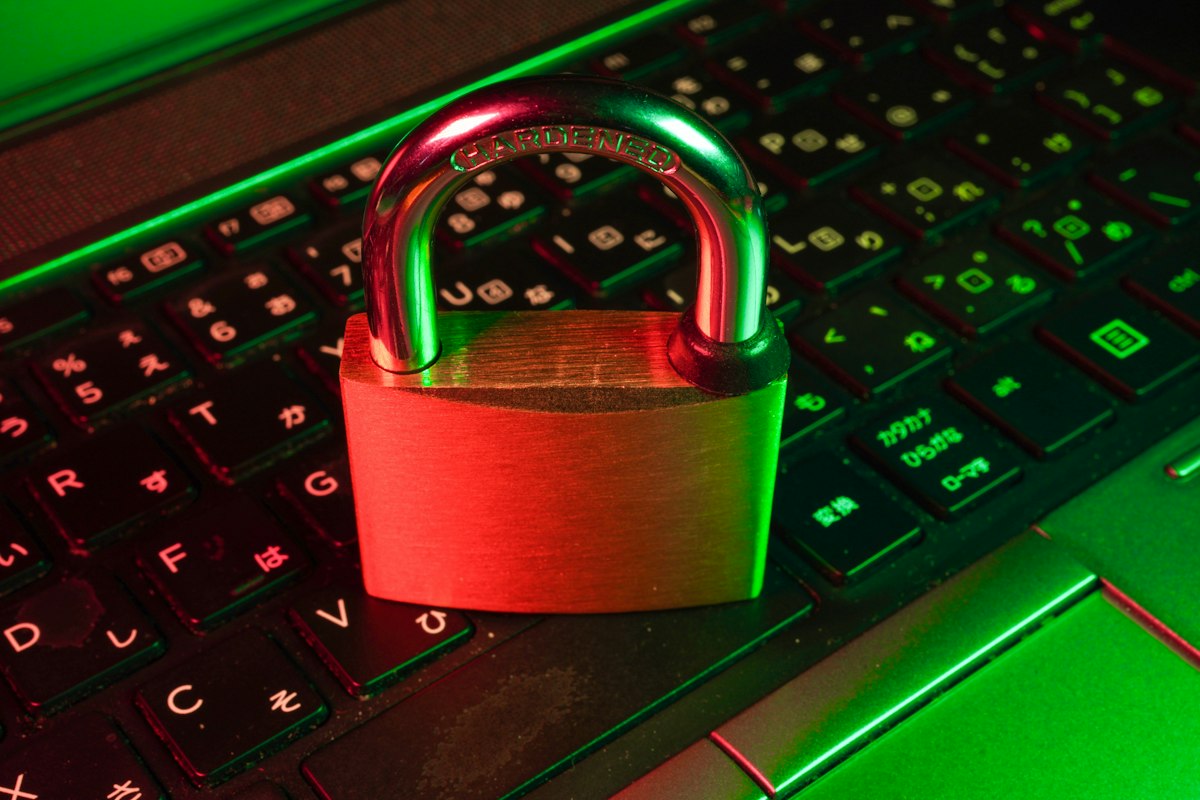
In 2026, over 40% of cyberattacks in Europe target small and medium-sized businesses. In Kazakhstan, small companies are losing billions of tenge due to phishing and ransomware, risking complete collapse.
Small businesses in Kazakhstan are actively digitizing, but face growing cyber threats. The new personal data law and AIFC requirements mandate the protection of customer information. This guide will help owners without IT experience implement simple security measures right now, minimizing risks and ensuring compliance.
Main Cyber Threats for Small Businesses in 2026
Phishing remains the leader among threats: scammers send fake emails, impersonating banks or suppliers, to lure data. In 2026, such attacks are automated and affect up to 38% of small firms. Ransomware encrypts files and demands ransom, often leading to permanent data loss if no backups are available.
Data breaches occur due to weak passwords or software vulnerabilities, leaking customer databases and financial information. In Kazakhstan, this is exacerbated by the growth of online commerce and digitalization under the President's decree of January 2026. Small companies are vulnerable due to the lack of dedicated IT departments, but simple steps reduce risks by 80%.
Experts note that attacks start with simple mistakes: clicking on a link or reusing a password. Regular updates and antivirus software block most threats at the entrance.
Password Management, 2FA, and Data Backup
Use unique passwords of 12+ characters for each account: managers like LastPass (free version up to 50 passwords) or Bitwarden (open-source, completely free) store them securely. Avoid '123456' or birth dates – these account for 80% of breaches.
Two-factor authentication (2FA) adds an SMS code or app confirmation: enable in Google Authenticator (free) for email, banks, and CRM. Paid options like Duo Security integrate with corporate systems. In Kazakhstan, banks require 2FA by default.
Backup is key to surviving ransomware. The 3-2-1 rule: 3 copies, 2 media, 1 offline. Free: Google Drive or external HDD; paid – Acronis True Image (from 5,000 tenge/year) with encryption. Test recovery monthly, store a copy in a safe.
Employee Training and Compliance with Kazakhstan Laws
Training is the foundation of protection: 90% of attacks succeed due to human error. Conduct quarterly phishing recognition training with platforms like KnowBe4 (free trial) or free modules from Google. Simulate attacks to teach employees in practice.
The RK Law 'On Personal Data and Its Protection' (No. 994-V of 2021, updates 2026) requires breach notifications within 72 hours and data encryption. AIFC adds cybersecurity for fintech. Non-compliance – fines up to 200 MRP (about 7 million tenge).
Companies like Alashed IT (it.alashed.kz) offer ready-made training and audits for small businesses, adapted to Kazakhstani legislation. Start with internal policies: prohibit USBs from unknown sources, block social networks at work.
Tools, Checklist, and Incident Response Plan
Free tools: Microsoft Defender (built into Windows), Malwarebytes (scanning), ClamAV for servers. Paid: Bitdefender Small Office (from 10,000 tenge/year, 5 device protection), Kaspersky Small Office Security (localized for KZ).
Security checklist: 1) Update software weekly; 2) Enable 2FA everywhere; 3) Backup weekly; 4) Train staff; 5) Use VPN (ProtonVPN free); 6) Monitor logs; 7) Audit passwords.
Response plan: 1) Isolate the device; 2) Disconnect the internet; 3) Notify management; 4) Restore from backup; 5) Report to the MCRIAP RK within 24 hours. Test the plan every quarter – it will reduce damage by 5 times.
Что это значит для Казахстана
In 2026, Kazakhstan is declared the Year of Digitalization: small businesses must comply with personal data laws and AIFC requirements, or risk fines and loss of customers in the growing digital market of Central Asia.
More than 40% of cyberattacks in 2026 target small businesses, with 38% of companies already affected.
Implement basic security measures today – it's cheaper than any losses. Small businesses in Kazakhstan benefit from simple tools and training. Contact experts like Alashed IT for a personal audit.
Часто задаваемые вопросы
What free cybersecurity tools are suitable for small businesses?
Microsoft Defender, Google Authenticator for 2FA, Bitwarden for passwords, and Malwarebytes for scanning. They cover 80% of threats at no cost. Regularly update them.
What to do in case of a ransomware attack?
Isolate the device, disconnect the network, restore from an offline backup. Do not pay the ransom – it does not guarantee data. Notify the MCRIAP RK and conduct an audit.
Is compliance with the personal data law in Kazakhstan mandatory?
Yes, under Law No. 994-V: encrypt data, notify breaches within 72 hours. Fines up to 200 MRP. AIFC adds requirements for fintech.